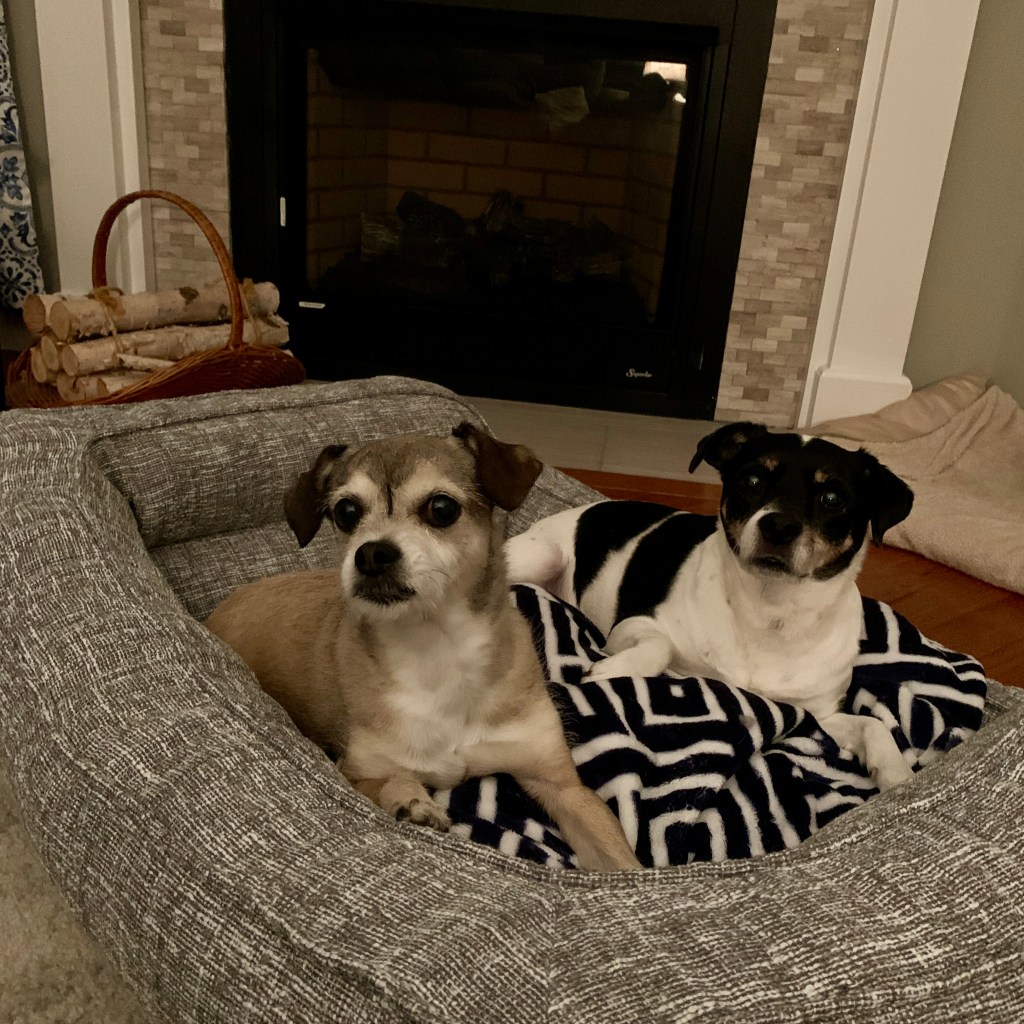
I’m a stereotypical single dog lady. It’s not so much that my dog is like my child, she’s my best friend.
I adopted Jillie when I was 26. I had had some health issues earlier that year, and then lost my dog Missy to lymphoma. The silence in my house was deafening, and I hated coming home to an empty house. So a week after losing Missy, I brought Jillie home. She’ll turn 15 this year, so we’ve been together most of my adult life. And we’ve been through a lot together.
Prior to adopting Jillie, every dog I ever had died way too young from cancer or heart disease. So when Jillie turned 9, I started worrying more about her health and how long we’d have left. I still tend to be a hypochondriac when it comes to her health, but I’m learning how to best care for an aging dog. Here are a few things that Jillie has been through and what we’ve learned along the way.
TPLO Surgery
When Jillie was 9 years old, I noticed that she struggled to stand up. She is one tough girl and doesn’t show pain, so I knew if I could see signs that she was slowing down, something was wrong. It took multiple vet exams over a few months and a referral to a specialist for her to finally be diagnosed as needing surgery on both knees.
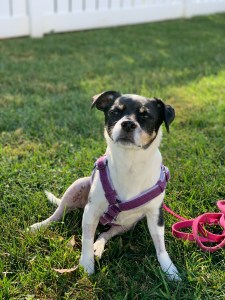
We had two options to choose from, and I opted for the more intense TPLO surgery because Jillie was still relatively young and didn’t have any other health issues. When she came home three days after surgery, her whole lower half was shaved and looked sore, but she was up and walking. The hardest part was getting her to take it slow. She wasn’t allowed to jump or run, and she had to be on a leash every time she went out. I bought quite a few gates and pens to keep her contained and from jumping on the furniture while she recovered, and she did so well. She was cleared by the surgeon after three months, a month earlier than anticipated. We’re now 5 years post-surgery, and although it was really hard at the time, I’m so glad Jillie had this surgery, I think it’s made a positive difference in her life.
This whole experience taught me to advocate for my dog. You know your dog better than the vet does and are able to see them when they’re calm and in their home environment. If something is off, tell your vet. If you can get a photo or video of the unusual behavior to show them, do it. A few years later I had a similar experience with Jillie’s sister who ended up being diagnosed with Diabetes Insipidus (DI), so I’m so glad that I learned to speak up. If you have questions about my experience with either TPLO surgery or DI, let me know!
Chiropractic Care and Hydrotherapy
A year or two ago, I shared with Jillie’s vet that I thought she may be in some pain again. After a check from the surgeon who operated on her knees, we learned that she had some compressed discs in her spine. We tried different medicines and a monthly injection, but nothing seemed to help.
It was during this time that Jillie was also diagnosed with Chronic Bronchitis for which there’s no cure. The symptoms, though, are treated with steroids, but the goal is to give as low of a dose as possible. I talked with Jillie’s vet about alternative treatments that might help both her breathing and her pain, and she recommended hydrotherapy and chiropractic care.
We’re lucky to have a therapy center nearby, so Jillie went for evaluation and began treatment. That was nearly six months ago, and I’m so pleased with how she’s doing. After her first treatment by the chiropractor, the tremors in Jillie’s hind legs all but stopped. It was the first time in years I’d seen her legs be still.
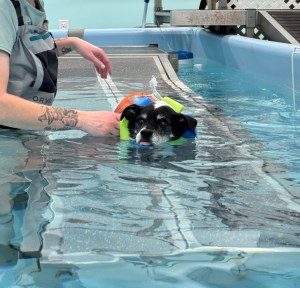
She also goes to therapy, which is a mix of “land” therapy and hydrotherapy in their warm water pools. I didn’t know what Jillie would think – she’d never been swimming and isn’t a fan of baths, but she seems to enjoy swimming. After getting an adjustment and swimming, Jillie looks like a new girl. She has so much energy and just looks so proud of herself. They aren’t cheap, but seeing her doing so well (and so happy!), is worth it to me.
In addition to the positive impact on her mobility, I believe the regular treatments and therapy have helped her respiratory issues. Her chiropractor explained it to me, but I know I’d get it wrong if I tried to explain the connection. So I’ll just say that we were able to reduce the dosage of Jillie’s meds when she began having regular treatments and therapy.
All of that to say – don’t be afraid to try something new. Talk to your vet, do some research, and consider trying things that may seem out of the box, as long as your vet says it’s safe for your pet.
You Are What You Eat
For the first half of her life, Jillie ate kibble. It was a kind her vet recommended, and she seemed happy. Until one day when my very food-driven girl stopped eating. It was about the same time that her sister (Sophie) started drinking excessive amounts of water. While on the journey of getting Sophie diagnosed with DI, I was also trying to find food that Jillie would eat.
Due to other health issues, Sophie had to eat an entirely home-cooked diet of roast turkey and potatoes. Let me just say that making her food was A LOT of work. So while I didn’t feel right feeding Jillie kibble while Sophie was eating Thanksgiving dinner every day, I also didn’t have the capacity to make food for both of them. I decided to try the Farmer’s Dog because I felt that it would be comparable to what Sophie was eating. And Jillie LOVED it!
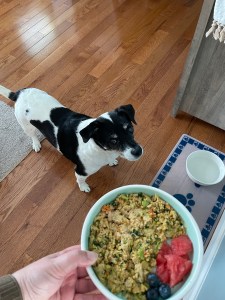
For a few years, and then she slowly stopped eating it, too. Of course that happened right after receiving a new delivery of food. From there, I tried Fresh Pet, and that’s been working for us so far. I miss the convenience of having food delivered right to the door, but Jillie seems to really like the variety of options because I now rotate through a few proteins/flavors for her.
In addition, I buy pouches of food from Portland Pet Food and give to her as a snack (the steroids she’s on make snacks a must). This food is much more expensive, so while I’d love to feed it as her main food, it’s just not an option for us. It does make a nice treat for her, though.
Jillie has had bloodwork done quite a few times over the last year, and it’s looked really good – her vet is pleased that all of Jillie’s levels are right where they should be. And I really believe that the food she eats has had a big impact on that. I’m also mindful of the treats she gets, and she gets a lot of fruits and veggies for treats, which she absolutely loves.
I hope hearing what my experience has been like caring for a senior dog has been helpful. I’ve never had a dog live past maybe nine or ten years old, so I’m navigating new waters and trying to figure out what are things that need attention and what is just natural parts of old age. All I know is that I want to give Jillie the best quality of life that I can and keep her as comfortable as possible as she ages.
If you have questions about anything above, let me know! And if there’s something you do for your senior dog, I’d love to hear it.
 Grain of Sand Moments
Leave a comment